
Changing Tides: Gender Fluidity in Nature
The Minerva Project • June 6, 2025
Gender fluidity is not a divergent phenomenon in nature. Many inhabitants of the animal kingdom experience gender not as a restrictive concept, but a spectrum:
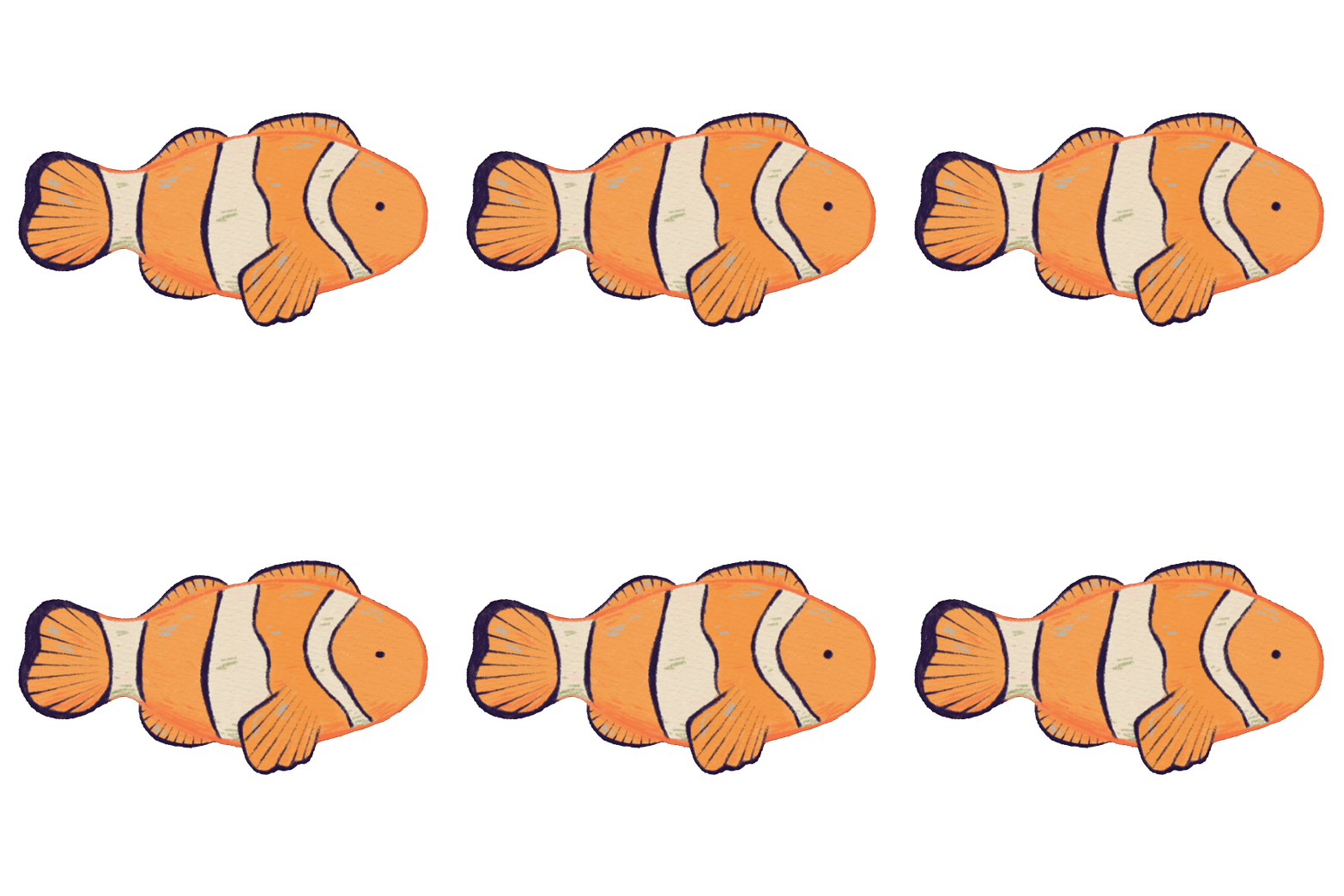
The Clownfish:
All clownfish are born with both male and female reproductive organs, each able to develop under different circumstances. The largest fish of a group becomes the female, and the second the breeding male—their organs developing as such—while others remain neuter, undeveloped, non-breeding members. If the female dies, the largest remaining fish (typically the breeding male) develops into a female, while the second largest becomes the next breeding male.
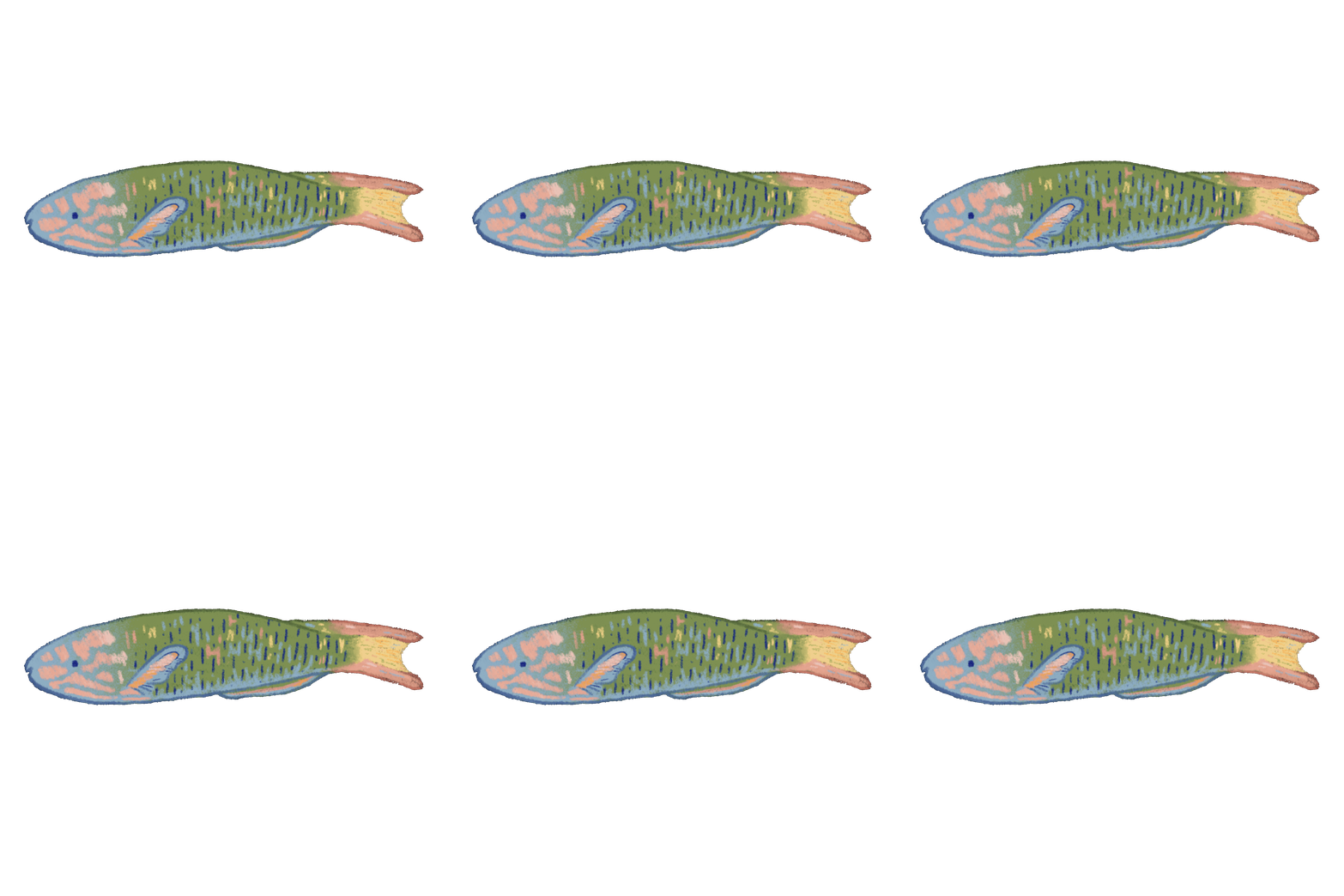
The Wrasse:
Wrasses are protogynous hermaphrodites, meaning they function first as females before transitioning to males. In contrast to clownfish, the largest or most dominant female becomes the male leading the group, changing its reproductive organs and behavior.
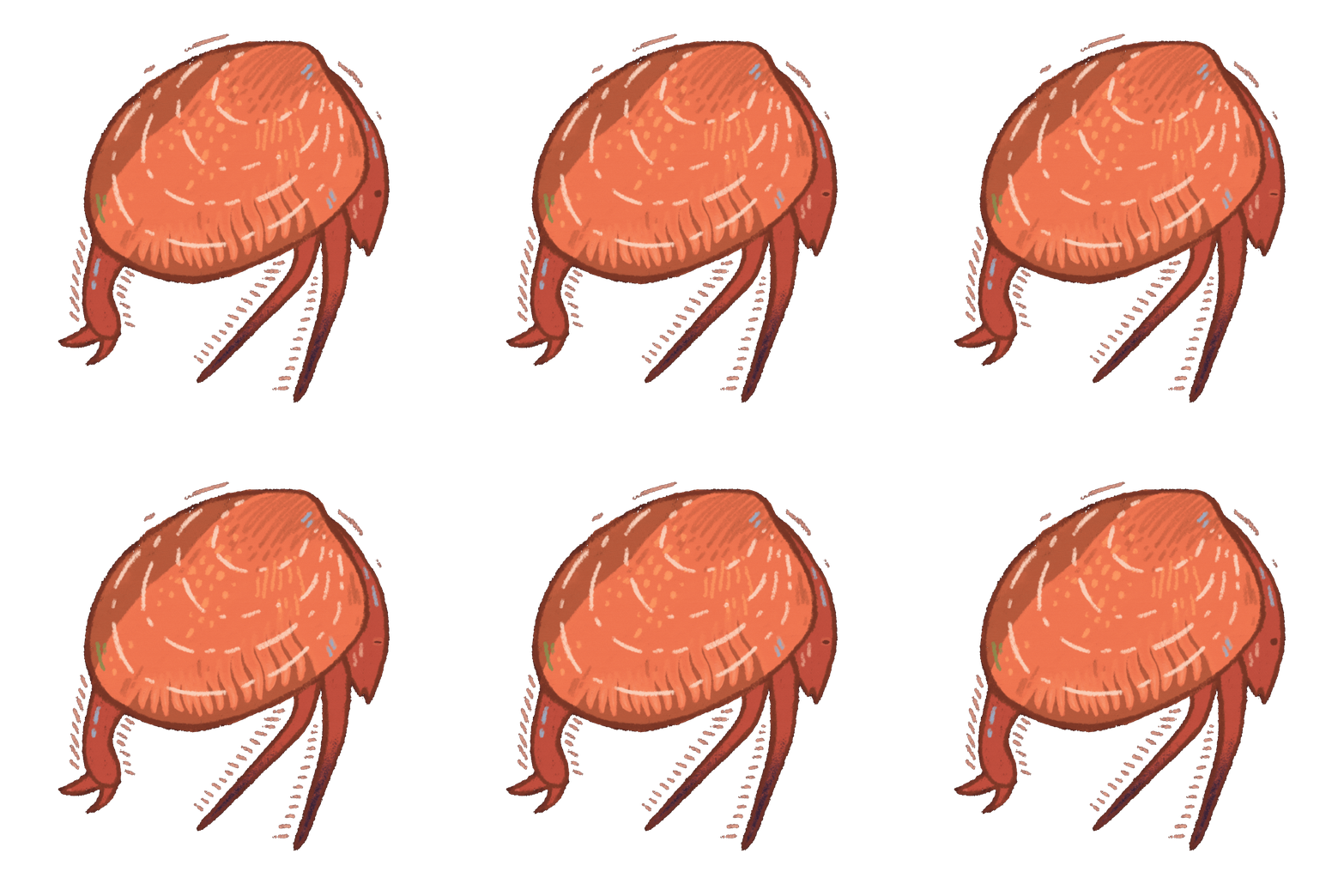
The Clam Shrimp:
Clam shrimps appear differently across families. One family in particular, limnadiidae, has male-female, male-hermaphrodite, and solely hermaphroditic species, exemplifying the fluidity in sex in nature.
These species reveal the dynamic and adaptive quality of gender and sex that is natural to the world. Gender shifts in response to environmental and social dynamics, and is not restrictive and rigid. Reflecting on these animals helps us challenge the idea of a natural gender binary, and prove that gender fluidity has always been a part of the natural world.